Television follows the story for you
A broadcast can move instantly between holes, replay a shot and explain what another result means. Cameras and graphics connect moments that are far apart on the ground. That makes television particularly good for following a broad leaderboard and understanding the closing stages of a tournament.
At the course, you make those editorial decisions yourself. You choose which group to follow, which hole to watch and when to look at a screen. Accepting that difference makes the day much better. Trying to reproduce the broadcast by racing after every important player usually creates more walking than viewing. Plan to see a smaller part of the competition properly, then use the official leaderboard to connect it with events elsewhere.
The ground is easier to understand in person
A fairway can look flatter on a screen than it feels from its edge. Standing beside a hole reveals the slope around a landing area, the height of a bunker face and the size of the target a player is trying to reach. You also see where spectators can and cannot go, which changes your idea of the perfect viewing point.
Spend time looking before the next group arrives. Identify a sensible target and watch whether players choose it. A shot that seems conservative on television may make complete sense once the danger is visible. Links venues make this especially rewarding, but hills, trees and water at other courses provide their own lessons. The course becomes part of the story rather than a backdrop behind the athlete.
You hear and feel the weather
Wind is more than a graphic when you are standing in it. It changes how comfortable you feel, how sound carries and how the players prepare. You may notice a flag switching direction or a player waiting through a gust before the broadcast explanation would reach you.
That immediacy is part of the appeal, but it also makes practical preparation matter. Pack layers and protect your belongings from rain. Choose a sheltered break when you need one instead of treating every pause as lost golf. Our weather guide helps with that decision, while the packing list keeps the bag useful without turning it into something you regret carrying for several hours.
Watch the decisions between shots
Television often returns when a player is ready to hit. In person, you can see more of the conversation, the walk to the ball and the assessment of a difficult lie. Those quieter minutes reveal how much preparation surrounds a stroke that takes only a moment.
Do not confuse access to the scene with an invitation to intervene. Remain outside the ropes, avoid offering advice and respect silence while players prepare. A caddie studying the target may be doing important work even if the golfer appears relaxed. Our etiquette advice explains how to watch without becoming part of the problem. Once you know when to stay still, those unhurried stretches can be among the most absorbing parts of a live day.
Choose between following and staying put
Following a group shows how players handle a sequence of holes and recover from what happened earlier. Staying at one place lets you compare many golfers solving the same problem. Neither method is inherently better, and combining them often produces the most satisfying first visit.
Begin with a fixed position where you can see a tee shot or an approach clearly. After a few groups, move during a suitable break and follow one group for a short stretch. Then stop for food or a rest. Avoid choosing your route solely by celebrity: a less crowded group may give you a much clearer view. Read our first-tournament guide for a manageable day rather than an exhausting circuit.
Follow the leaderboard without living on a phone
Use the organiser's scoring service and the on-course screens to check the wider picture. Look at tournament total, progress through the round and whether a position is tied. A player already finished at a score has a different situation from someone with many holes left, even if their headline totals match.
Download useful information before arrival and keep your phone charged. Mobile reception and battery life can vary, especially when many spectators use the same services. Make a meeting plan that works without constant messaging. Check scores when stopped safely, not while crossing a busy route. The scoring guide helps you read the numbers quickly so the screen supports the day instead of becoming its main activity.
A team event changes the balance
At the Ryder Cup, the crowd can be concentrated around relatively few live matches. Noise from elsewhere may tell you something important happened without revealing exactly what. A match can finish early, so a position near the final green does not guarantee a steady stream of players.
Television is particularly useful for knitting those matches together, but the live team atmosphere is difficult to reproduce at home. Decide whether you most want an opening scene, a partnership in action or a broader feel for the venue. Let that choice shape your route. Read the match format before the day so a conceded putt, a tied hole or an early finish makes sense as it happens.
A championship day needs its own travel plan
Watching at home requires little more than being ready when coverage starts. A live visit begins with the journey, entrance queue and walk to your first viewing position. It continues after the last putt you choose to watch, through the exit and the route back to your room.
For The Open, use the event's travel plan and compare bases before booking. A convenient stay can give you an easier start and enough energy to enjoy dinner afterwards. Leave a margin around a final-day departure because weather or a play-off can affect timing. The quality of the golf is only part of the live experience; the practical bookends often decide whether the day feels relaxed or unnecessarily hard.
The sound of the day
Sound adds another layer to a live visit. A strike from a tee, a ball landing near a green and a delayed cheer from a different hole help you sense the scale of the course. You will not always know what caused a distant reaction, and that uncertainty is part of being there. Resist the urge to shout a guess or repeat an unconfirmed score near players. Wait for an official board or scoring update, then enjoy the way the news moves through the gallery. Quiet observation can be every bit as memorable as the loudest moment.
Use both experiences to enjoy the sport more
You do not have to choose permanently between the screen and the course. A live day can teach you how a venue works, making later television coverage more meaningful. A broadcast can then show the shots you missed and explain the result of a competition you experienced in person.
Keep your own memories rather than measuring the trip against the highlights. You may remember a beautifully judged recovery, a friendly conversation or a windy stretch of coast more clearly than the winning putt. After the visit, note what made the day comfortable and what you would change. Use that experience to pick your next event, with a better idea of how much walking, crowding and travel suits you.
Sources and useful official links
Useful reading for your visit
You might also like


The Open 2027 St Andrews: Tickets & Hotels
Make an Open trip work, from the first train to your overnight base.
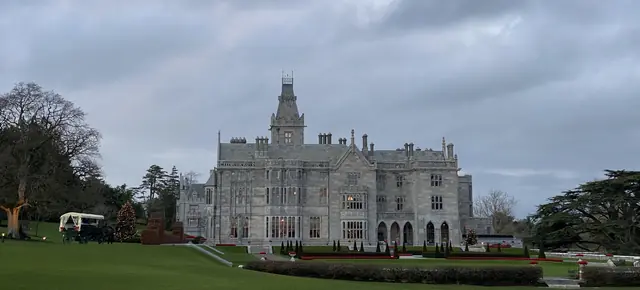

Ryder Cup 2027: Tickets, Dates & Hotels
Plan your Adare visit with official ticket routes, transport choices and accommodation areas.

First Time at a Golf Tournament: A Visitor Guide
For your first golf tournament, choose a day that suits your interests, book admission through the organiser and plan a manageable route with breaks. Comfortable shoes, weather protection and a reliable return journey matter more than knowing every golf rule.